
way of life
Before the first light peers over the mountain, the community is awake. The shepherds rise first, taking turns gathering their flocks and heading up the mountain. Each family keeps 400–700 animals, tended by a single herder who masterfully steers them with a few well-aimed stones across the rocky slopes.
The yak, sheep and goats sustain the Changpa’s way of life, with the rare goats producing the fine cashmere called pashmina. The harmony between humans and animals and the ingenuity of their interrelation, is impressive. Yet each year, outside influences grow stronger — some families now own vehicles, and many children leave for school in distant towns, often not returning.
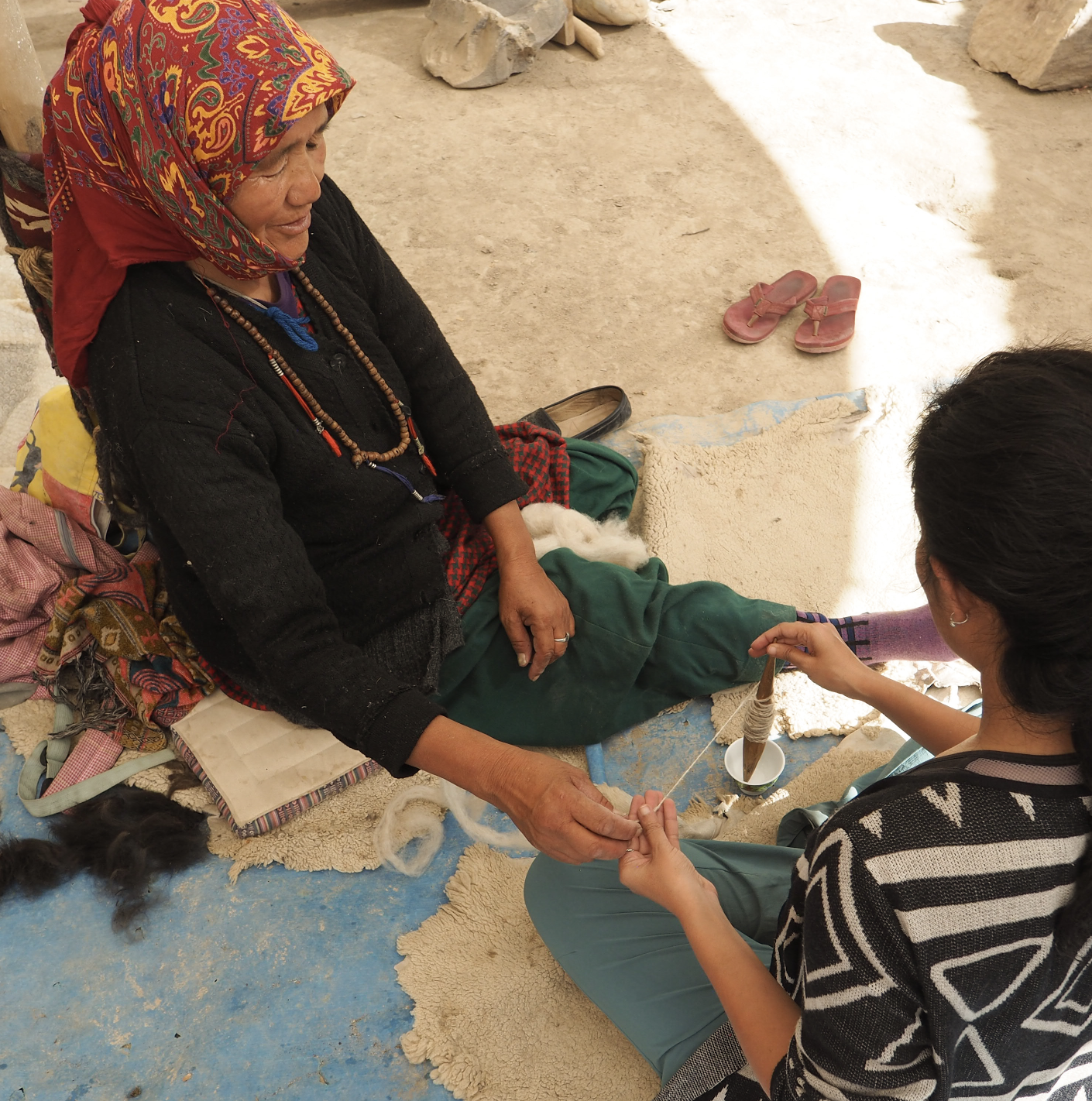
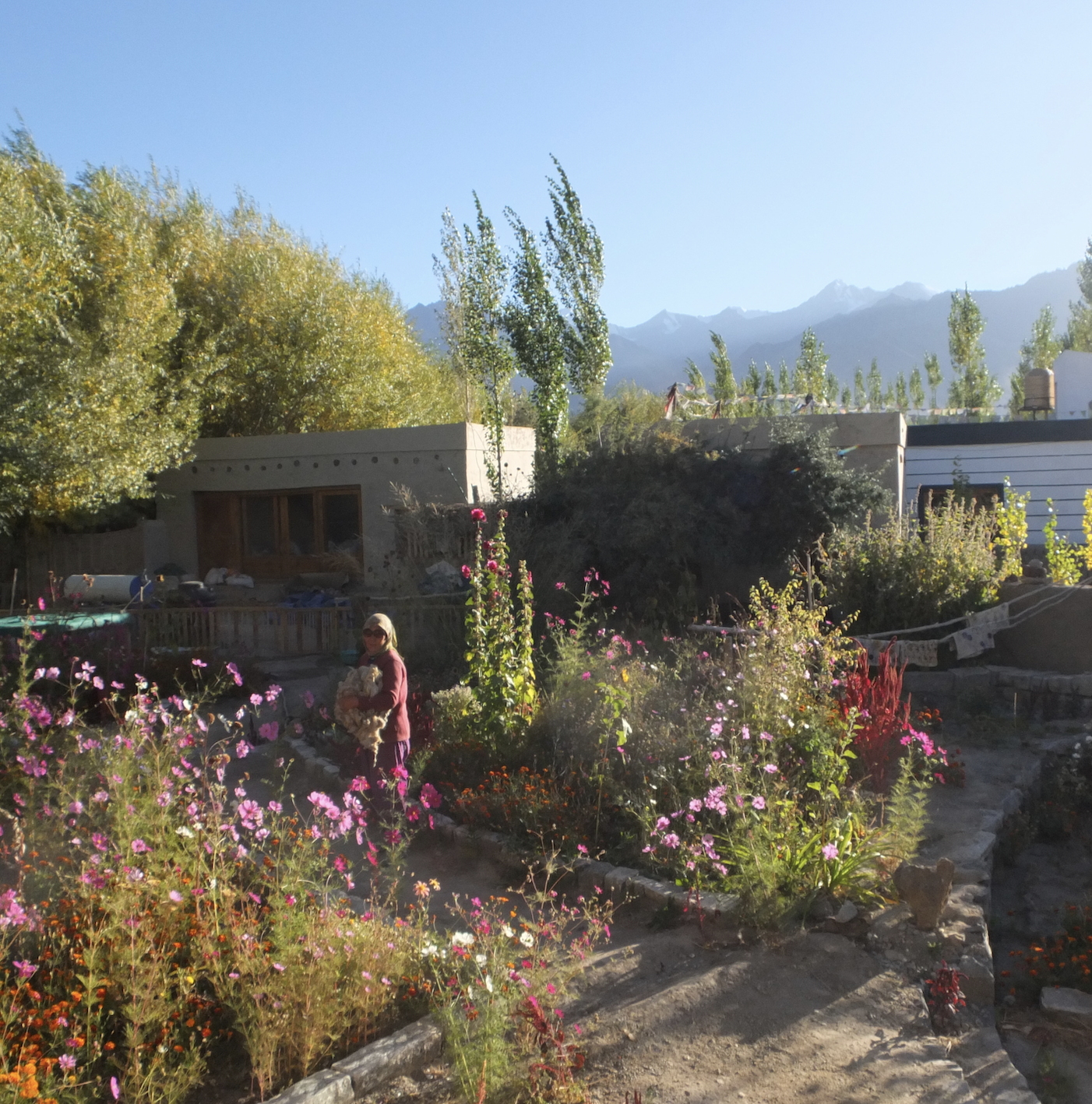
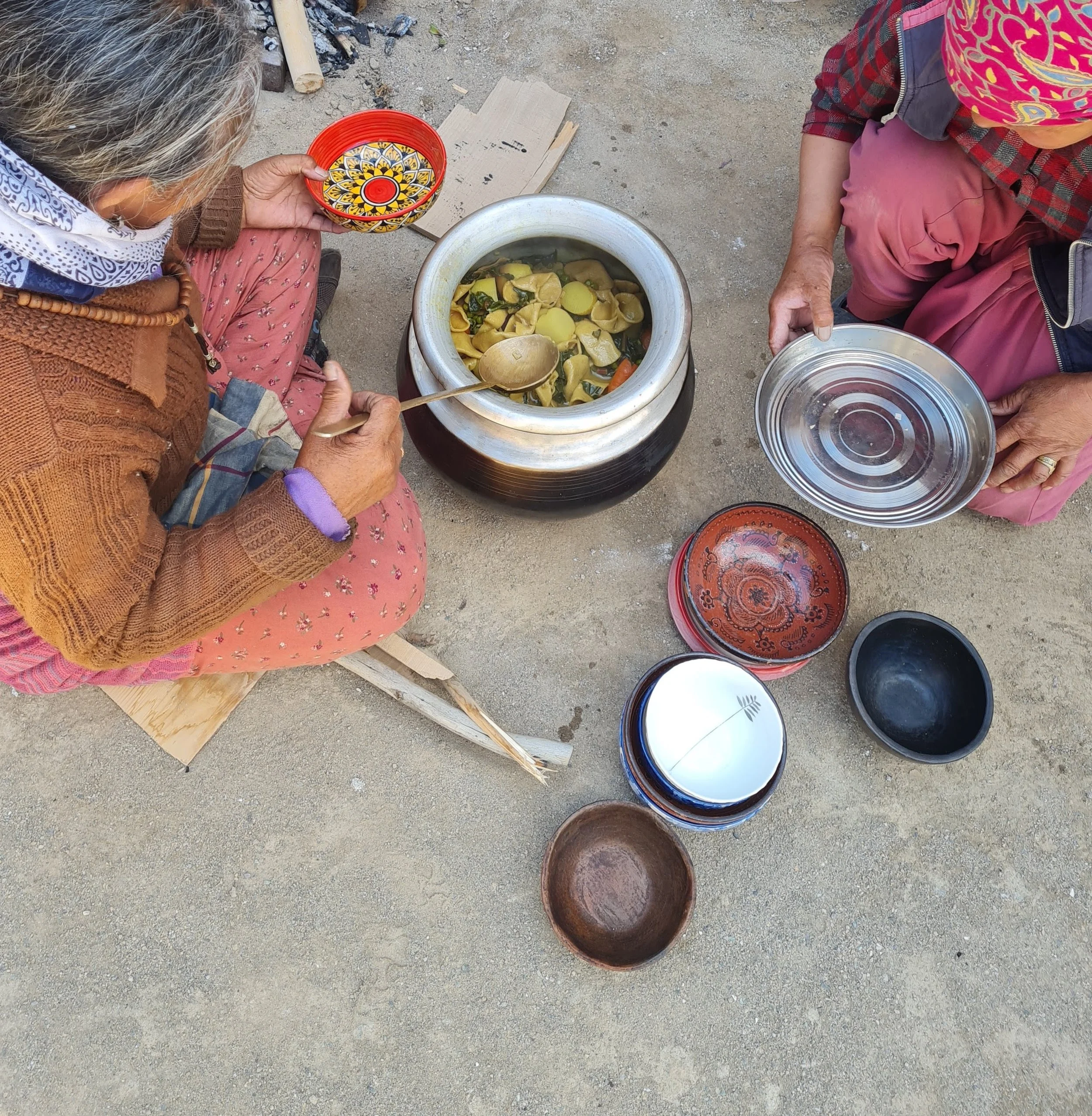
One evening we were invited to dinner by Topdan and his daughter Lamo. Lamo has three small children who are going to school and living with her husband in Leh, the capital city of Ladakh. Lamo’s choice to remain in Karnak was closely linked with the familial and communal responsibility of keeping their way of life alive. Her siblings had all moved away and she was only one that was left to care for her father and maintain their home. Lamo’s children will grow up with modern schooling and access to basic comforts but they will not know to the warm embrace of their mother or learn the vastness and language of the land.
It is undeniable that this life is hard, yet it also holds invaluable aspects and extremely necessary teachings. The invitation is to honor both, slowly and mindfully adopting transitions that improve the lives of children while continuing the respect and recognition of those who have come before.